

Understanding the Benefits of Trigger Point Massage Benefits
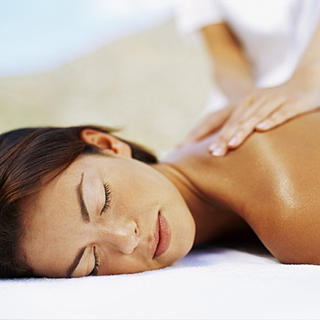
When life gets busy and stress builds up, our bodies often hold tension in tight knots called trigger points. These little spots can cause discomfort, stiffness, and even pain that radiates to other areas. I’ve found that understanding how to address these knots can make a huge difference in feeling relaxed and pain-free. That’s where trigger point massage benefits come into play. This therapy targets those stubborn spots, helping to release tension and restore comfort.
If you’ve ever wondered how this works or if it might be right for you, let’s explore the gentle, effective ways trigger point massage can support your well-being.
What Are Trigger Points and Why Do They Matter?
Trigger points are small, tight areas within muscle tissue that can cause pain locally or in other parts of the body. Imagine a tiny knot in your shoulder or back that just won’t loosen up no matter how much you stretch or rest. These knots can develop from poor posture, stress, injury, or repetitive movements.
When these points are active, they can cause discomfort that feels like a dull ache or sharp pain. Sometimes, the pain travels to other areas, making it tricky to pinpoint the source. That’s why addressing trigger points directly is so important.
Trigger point massage focuses on applying gentle pressure to these knots, encouraging the muscle to relax and improving blood flow. This helps reduce pain and stiffness, making everyday movements easier and more comfortable.

Exploring the Key Trigger Point Massage Benefits
The benefits of trigger point massage go beyond just easing muscle knots. Here are some of the most valuable ways this therapy can help you feel better:
Pain Relief: By releasing tight muscle knots, trigger point massage can reduce chronic pain in areas like the neck, shoulders, and lower back.
Improved Mobility: When muscles relax, you regain a fuller range of motion, making daily activities and exercise more enjoyable.
Stress Reduction: The gentle pressure and focused attention help calm the nervous system, promoting relaxation and lowering stress levels.
Better Posture: Releasing tension in key muscles can help correct posture, reducing strain on your body throughout the day.
Enhanced Circulation: Increased blood flow brings oxygen and nutrients to muscles, speeding up healing and reducing inflammation.
One of the best parts is that this therapy can be tailored to your specific needs. Whether you’re dealing with tension from sitting at a desk all day or recovering from an injury, trigger point massage offers a personalised approach to relief.
If you’re curious to try it, you can easily book a session with a professional therapist who understands how to find and treat these sensitive spots. For example, trigger point therapy is available through trusted mobile massage services that come right to your door.
How Long Do Trigger Points Take to Heal?
Healing trigger points isn’t always instant, but with consistent care, you’ll notice improvements over time. The duration depends on several factors:
Severity of the Trigger Point: Older, more stubborn knots may take longer to release.
Frequency of Treatment: Regular sessions help maintain muscle relaxation and prevent new knots from forming.
Lifestyle Habits: Staying hydrated, stretching gently, and avoiding repetitive strain support faster healing.
Overall Health: Your body’s natural healing ability plays a role in recovery speed.
Typically, you might feel relief after the first session, but full healing can take a few weeks of ongoing care. It’s important to be patient and gentle with your body during this process.
To support healing at home, try these tips:
Apply heat to the affected area to relax muscles.
Practice gentle stretching to keep muscles flexible.
Avoid activities that aggravate the trigger points.
Stay hydrated to help flush out toxins.
Remember, healing is a journey, and each step forward is progress.

How to Prepare for Your Trigger Point Massage Session
Getting ready for your session can help you get the most out of your treatment. Here’s a simple checklist to keep in mind:
Wear Comfortable Clothing: Loose clothes make it easier for the therapist to access tight muscles.
Hydrate Well: Drinking water before and after helps flush out toxins released during massage.
Communicate Clearly: Let your therapist know about any pain, injuries, or areas of concern.
Arrive Relaxed: Try to arrive a few minutes early to settle in and breathe deeply.
Set Your Intentions: Think about what you want to achieve from the session, whether it’s pain relief, relaxation, or improved mobility.
During the session, don’t hesitate to speak up if the pressure feels too intense or if you want the therapist to focus more on a particular area. Your comfort is key to a successful treatment.
Incorporating Trigger Point Massage Into Your Wellness Routine
Once you experience the benefits of trigger point massage, you might want to make it a regular part of your self-care. Here are some ways to do that:
Schedule Regular Sessions: Monthly or bi-weekly treatments can keep muscles relaxed and prevent new knots.
Combine With Other Therapies: Stretching, yoga, or gentle exercise complement massage benefits.
Practice Self-Massage: Learning simple techniques to release tension at home can help maintain results.
Mind Your Posture: Being mindful of how you sit and move reduces strain on muscles.
Manage Stress: Incorporate relaxation practices like meditation or deep breathing to support overall well-being.
By making trigger point massage a consistent habit, you’re investing in your body’s long-term health and comfort.
I hope this gives you a clear picture of how trigger point massage benefits can enhance your daily life. If you’re ready to experience the soothing relief of this therapy, consider booking a session with a professional who can bring this healing directly to your home. Your body deserves that gentle care and attention.
Feel free to explore more and take that first step towards feeling lighter, freer, and more relaxed. You’re worth it!


Comments