

Postnatal Recovery Massage Tips: Supporting Mothers' Recovery
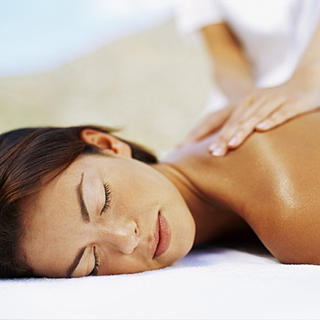
Welcoming a new baby into the world is a beautiful, life-changing experience. Yet, it also brings a whirlwind of physical and emotional changes. After childbirth, your body needs gentle care and time to heal. One wonderful way to support your recovery is through postnatal massage. It’s a nurturing practice that can ease discomfort, reduce stress, and help you reconnect with your body.
In this post, I’ll share some practical postnatal recovery massage tips that you can use to feel more comfortable and cared for during this special time. Whether you’re a few weeks or a couple of months postpartum, these ideas can help you embrace healing with kindness and ease.
Why Postnatal Recovery Massage Matters
After giving birth, your body has been through a lot. From the stretching of muscles to hormonal shifts, it’s normal to feel tired, sore, or even a bit overwhelmed. Postnatal massage is designed to gently support your body’s natural healing process.
Massage can help:
Relieve muscle tension in your back, shoulders, and neck, which often become tight from breastfeeding or carrying your baby.
Improve circulation, encouraging better oxygen flow to tired muscles.
Reduce swelling and fluid retention, especially in your legs and feet.
Promote relaxation and reduce stress hormones, helping you feel calmer and more balanced.
Support emotional well-being by providing a moment of self-care and connection.
If you’re in Bury St Edmunds and looking for a convenient way to enjoy these benefits, mobile massage services can bring professional care right to your door. This means you can relax in your own space without the hassle of travel.

Postnatal Recovery Massage Tips to Try at Home
You don’t always need a professional to start feeling better. Here are some simple massage techniques you can try yourself or with the help of a partner. Remember to be gentle and listen to your body.
1. Gentle Back Rubs
Your back often bears the brunt of carrying and feeding your baby. Use your fingertips or palms to apply light pressure along your spine and shoulder blades. Circular motions can help ease tight muscles.
2. Foot Massage
Swollen feet are common after childbirth. Sit comfortably and use your thumbs to press gently into the soles of your feet. This can stimulate circulation and provide soothing relief.
3. Neck and Shoulder Soothing
Hold your neck with one hand and use the other to massage the base of your skull and shoulders. This area tends to hold a lot of tension, especially if you spend long hours nursing or rocking your baby.
4. Abdominal Care
If your doctor has cleared you for abdominal massage, use gentle, clockwise circular motions around your belly. This can support digestion and help your uterus contract back to its pre-pregnancy size.
5. Use Warm Oils or Creams
Applying a warm, natural oil or cream can make massage more comfortable and nourishing for your skin. Choose products free from harsh chemicals and fragrances.
6. Set the Mood
Create a calm environment with soft lighting, gentle music, and a comfortable temperature. This helps your body relax and makes the massage more effective.
If you prefer professional support, a post natal massage from a trained therapist can provide targeted care tailored to your needs.
How do you feel 2 months postpartum?
Two months after giving birth, many women start to notice shifts in their recovery journey. You might feel stronger physically but still experience some lingering aches or emotional ups and downs. It’s a time when your body is adjusting to new rhythms and demands.
At this stage, massage can be especially helpful to:
Ease any remaining muscle soreness from pregnancy and delivery.
Support better sleep by calming your nervous system.
Encourage gentle movement and flexibility.
Boost your mood by releasing feel-good hormones like oxytocin and serotonin.
It’s perfectly normal to have mixed feelings about your postpartum body. Massage offers a gentle reminder to be kind to yourself and honour the incredible work your body has done.

When to Seek Professional Postnatal Massage
While self-massage is a great start, professional postnatal massage can provide deeper relief and expert care. Here are some signs it might be time to book a session:
Persistent back or pelvic pain that doesn’t improve with rest.
Difficulty relaxing or sleeping due to muscle tension.
Swelling or discomfort in your legs and feet.
Feeling overwhelmed or stressed and needing a moment of calm.
Desire for personalised guidance on safe massage techniques.
A qualified therapist will understand the unique needs of postpartum bodies and tailor the massage to your comfort level. Plus, mobile massage services in Bury St Edmunds make it easy to fit this care into your busy schedule.
Tips for Maximising Your Postnatal Massage Experience
To get the most from your massage, keep these friendly tips in mind:
Communicate openly with your therapist about any pain, discomfort, or preferences.
Stay hydrated before and after your session to help flush out toxins.
Wear comfortable clothing that’s easy to remove or adjust.
Plan your massage when your baby is settled or napping to enjoy uninterrupted relaxation.
Combine massage with other self-care like gentle stretching, warm baths, or mindfulness exercises.
Remember, this time is about nurturing yourself as much as your little one. Every small step towards comfort and healing counts.
Taking care of yourself after childbirth is essential. Postnatal massage offers a warm, soothing way to support your recovery and reconnect with your body. Whether you try simple techniques at home or book a professional session, you deserve moments of peace and care. Embrace this journey with kindness and know that healing is happening, one gentle touch at a time.


Comments