

Discover the Benefits of Lymphatic Drainage Massage
Updated: Aug 3
What Is Lymphatic Drainage?
Lymphatic drainage is a specialized massage technique designed to stimulate the flow of lymph fluid through the lymphatic vessels. This fluid carries waste products, toxins, and immune cells throughout the body. By encouraging its movement, lymphatic drainage helps the body eliminate harmful substances and supports immune function.
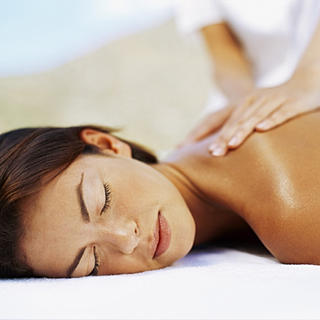
This therapy involves light, rhythmic strokes that follow the natural pathways of the lymph vessels. It is gentle and relaxing, often used in wellness centers and by therapists trained in this technique.
How the Lymphatic System Supports Your Health
The lymphatic system is a network of vessels, nodes, and organs that work together to:
Remove excess fluid from tissues
Transport fats and fat-soluble vitamins from the digestive system
Defend the body against infections by producing and transporting white blood cells
Filter out harmful substances and waste
When the lymphatic system functions well, it helps maintain fluid balance and protects the body from illness. When it slows down or becomes blocked, fluid can accumulate, causing swelling and discomfort.
Key Benefits of Lymphatic Drainage
Reduces Swelling and Fluid Retention
One of the most immediate benefits of lymphatic drainage is its ability to reduce swelling caused by fluid buildup. This is especially helpful for people recovering from surgery, injury, or those with conditions like lymphedema. By promoting lymph flow, the massage helps drain excess fluid and eases discomfort.
Supports Immune Function
The lymphatic system is a critical part of the immune system. Lymph nodes filter out bacteria, viruses, and other harmful agents. Stimulating lymph flow through drainage massage can enhance the body's ability to fight infections and recover from illness.
Promotes Detoxification
Toxins and waste products accumulate in the lymph fluid. When lymph flow slows, these substances can build up, leading to fatigue and sluggishness. Lymphatic drainage encourages the removal of these toxins, supporting the body's natural detox processes.
Improves Skin Health
By increasing circulation and reducing fluid retention, lymphatic drainage can improve skin tone and texture. It helps reduce puffiness, especially around the eyes and face, and may support healing after cosmetic procedures.
Enhances Relaxation and Stress Relief
The gentle, rhythmic movements used in lymphatic drainage promote relaxation. This can reduce stress hormones and improve overall well-being. Many people find the massage calming and restorative.
Who Can Benefit from Lymphatic Drainage?
Lymphatic drainage is suitable for a wide range of people, including:
Individuals recovering from surgery or injury
People with chronic swelling or lymphedema
Those experiencing frequent infections or weakened immunity
Anyone seeking to improve skin health and reduce puffiness
People looking for a natural way to support detoxification and relaxation
It is important to consult a healthcare professional before starting lymphatic drainage if you have certain conditions such as heart problems, infections, or blood clots.
What to Expect During a Lymphatic Drainage Session
A typical session lasts between 30 to 60 minutes. The therapist uses light pressure and slow, rhythmic strokes, focusing on areas where lymph nodes are concentrated, such as the neck, underarms, and groin. The massage follows the direction of lymph flow to encourage drainage.
Clients often report feeling relaxed and refreshed after the session. Some may notice reduced swelling or improved energy levels.
How to Support Your Lymphatic System at Home
In addition to professional lymphatic drainage, you can support your lymphatic system with simple daily habits:
Stay hydrated: Water helps keep lymph fluid moving.
Exercise regularly: Movement, especially activities like walking, yoga, or rebounding on a trampoline, stimulates lymph flow.
Practice deep breathing: This helps pump lymph through the thoracic duct.
Wear loose clothing: Tight clothes can restrict lymph flow.
Dry brushing: Using a natural bristle brush on dry skin before showering can stimulate lymphatic circulation.
Scientific Insights on Lymphatic Drainage
Research on lymphatic drainage highlights its potential benefits. Studies show that manual lymphatic drainage can reduce swelling after breast cancer surgery and improve quality of life for patients with lymphedema. Other research suggests it may help reduce inflammation and support immune function, though more studies are needed to fully understand its effects.
Precautions and When to Avoid Lymphatic Drainage
While lymphatic drainage is generally safe, it is not recommended for people with:
Active infections or fever
Blood clots or deep vein thrombosis
Congestive heart failure
Kidney problems
Certain cancers without medical approval
Always seek advice from a healthcare provider before starting lymphatic drainage if you have health concerns.
Integrating Lymphatic Drainage into Your Wellness Routine
Lymphatic drainage can be a valuable addition to your health regimen. Whether you seek relief from swelling, want to boost your immune system, or simply enjoy a relaxing massage, this therapy offers multiple benefits. Regular sessions combined with healthy lifestyle habits can support your body's natural cleansing and defense systems.
Consider scheduling a session with a certified therapist and observe how your body responds. Over time, you may notice improvements in energy, skin appearance, and overall comfort.
Conclusion
In conclusion, lymphatic drainage is more than just a massage; it’s a pathway to enhanced well-being. By understanding its benefits and incorporating it into your routine, you can support your lymphatic system effectively. Remember, taking care of yourself is essential. Embrace this gentle therapy and enjoy the journey towards better health.
For more information on how to book a session, visit Mobile Massage Bury St Edmunds.


Comments